
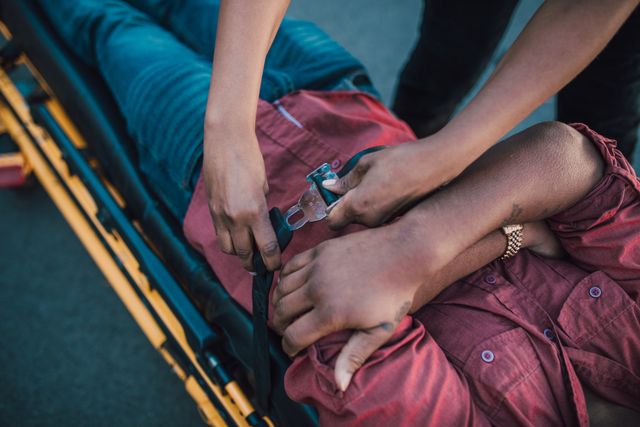
In sprawling metropolitan centers such as Lagos, Nairobi, Johannesburg, Cairo, and Kinshasa, traffic gridlock and infrastructure bottlenecks create profound logistical hurdles for motorized emergency medical services (EMS). Even with state-of-the-art ambulance fleets, the average response window in dense urban quarters frequently exceeds 25 to 45 minutes. For an individual in sudden cardiac arrest (SCA), irreversible biological brain death begins within just four to six minutes of circulatory collapse. This mathematical reality underscores an undeniable truth: the first true ambulance is not a vehicle on four wheels—it is the person standing beside the victim.
The Physiology of the Golden Four Minutes
When the human heart abruptly stops beating due to ventricular fibrillation or severe trauma, oxygenated blood immediately ceases circulating to vital organs. The brain is extraordinarily vulnerable to ischemic necrosis. Each passing minute without high-quality manual cardiopulmonary resuscitation (CPR) decreases survival likelihood by approximately 7% to 10%. Conversely, when immediate chest compressions are initiated by trained bystanders, artificial coronary and cerebral perfusion pressures are sustained, effectively tripling survival outcomes.
High-Yield Clinical Protocol: Hands-Only CPR for Adult Victims
- Scene Safety & Unresponsiveness Check: Ensure surroundings are free from live electrical wires, structural instability, or highway traffic. Firmly tap the victim’s collarbones and loudly ask: "Are you okay?"
- Call for Help & Activate Dispatch: Shout to a designated bystander to immediately dial emergency services or trigger the First Responders Africa mobile app.
- Check Breathing: Tilt head back slightly, lift chin, and scan chest for regular breathing for no more than 10 seconds. Agonal gasps are not normal breathing.
- Hand Placement: Interlock fingers with heel of one hand placed directly over the center of the breastbone (intermammary line).
- Rhythm & Depth: Compress firmly at least 5 to 6 cm (2 inches) deep at a cadence of 100 to 120 compressions per minute (matching the tempo of "Stayin’ Alive"). Allow complete chest recoil between compressions.
Dismantling Bystander Hesitation: Overcoming Legal and Cultural Fears
Despite the life-saving potential of CPR, widespread hesitation persists among members of the public. Three common psychological and systemic barriers often paralyze bystanders: fear of legal prosecution, concern over transmitting infectious diseases during mouth-to-mouth ventilations, and the misconception that CPR requires advanced medical accreditation.
First Responders Africa actively dismantles these misconceptions through grassroots community engagement. Modern clinical guidelines from international resuscitation councils explicitly emphasize that for sudden adult cardiac arrest, continuous Hands-Only CPR without rescue breaths is both safe and exceptionally effective during the initial minutes. By focusing entirely on hard, fast chest compressions, civilians avoid infection risk while preserving the victim's brain function until advanced life support paramedics take over.
"You do not require a stethoscope or medical license to preserve human life; your two hands, properly applied with confidence and determination, are the most powerful medical instrument in the world."
Grassroots Mobilization: From Market Stalls to Matatu Terminals
First Responders Africa has spearheaded localized, multilingual CPR workshops across bus terminals, open-air agricultural markets, athletic clubs, and university campuses. By demystifying the chain of survival and placing practical training manikins directly into community hands, ordinary fruit vendors, secondary school teachers, and transport conductors are transformed into frontline life-savers.
When coupled with our geolocated smartphone alert system, every trained citizen becomes an active node in a continent-wide web of protection. Pre-hospital care in Africa cannot wait for ambulances trapped in traffic; our collective survival relies upon empowering our neighbors to act without fear.