
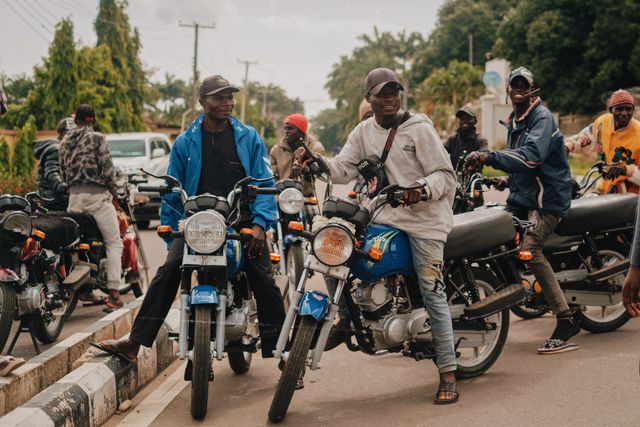
Along the bustling bypasses, rural arterial roads, and crowded trading corridors of Kenya, Uganda, Tanzania, and Rwanda, commercial motorcycle taxis—universally known as boda-bodas—are an integral fabric of economic life. They navigate impassable mud roads, slip between stationary vehicle lines during rush hours, and reach remote corners where four-wheeled vehicles cannot tread. Tragically, motorcycle riders and their passengers also account for disproportionate casualties in road traffic crashes. First Responders Africa recognized an enormous opportunity: what if the community most vulnerable to road trauma became its foremost emergency responders?
The Birth of the Boda First Responder Initiative
Initiated as a grassroots pilot program across high-collision corridors along the Northern Corridor Highway and metropolitan Nairobi junctions, the Boda First Responder project delivers intensive, specialized pre-hospital trauma management training tailored specifically to motorcycle taxi operators. The curriculum is concise, highly tactile, and stripped of unnecessary medical jargon, focusing directly on the four leading preventable causes of pre-hospital death: catastrophic exsanguination, airway obstruction, tension pneumothorax, and secondary spinal cord trauma.
Core Training Modules for Motorcycle Operators:
Equipped for the Road: The Rugged Rider Trauma Bag
Training without the necessary medical consumables is ineffective. Every rider who successfully graduates from our accredited 3-day practical course receives an all-weather, water-resistant trauma bag that securely straps to their motorcycle luggage rack. These kits contain:
- Military-grade mechanical tourniquets for severe limb bleeds
- Sterile compression trauma bandages and abdominal pads
- Cervical extraction collars and malleable SAM splints for fractured limbs
- High-grade nitrile gloves, face shields, and eye protection
- Trauma shears capable of slicing through tough leather and denim jeans in seconds
- Reflective high-visibility responder vests bearing unique verification ID numbers
"Before the training, when an accident happened, people would bundle fractured victims into the back of pickup trucks, often causing permanent paralysis. Today, we stabilize necks, stop bleeding with tourniquets, and protect human dignity until paramedics arrive."
Measurable Continental Impact
To date, First Responders Africa has certified more than 2,400 boda-boda operators across East Africa. Statistical tracking from regional referral hospitals indicates a 42% reduction in on-scene fatalities across highway sectors where certified riders operate. Furthermore, incidence of secondary spinal cord injuries dropped precipitously due to proper helmet extraction and cervical immobilization techniques.
By empowering riders with skills, equipment, and peer respect, we are transforming daily commuters into frontline healthcare defenders. Supporting this program puts life-saving trauma equipment onto the streets where it is needed most.